
Corns in Greyhounds

We’ll help your grey get the most out of life!

At Macquarie Veterinary Hospital, we love our noodles!

Corns are a common cause of lameness in greyhounds. These hard, callus-like growths typically form on the pads of the greyhounds’ feet and despite their small size can be extremely painful. Corns in greyhounds are caused by repeated pressure and friction from walking, especially on hard surfaces. Due to the breed’s unique build and posture, with their long legs and slim feet, greyhounds are especially prone to developing corns.

The classic symptom of a lameness caused by a corn is slowly developing lameness that simply does not go away with rest or use of anti-inflammatories. The limp is usually much more obvious on rougher and harder surfaces, like gravel or concrete and effected greyhounds will seek softer surfaces (literally pull you towards grass).

Treatment options for corns vary and we will discuss with you deep surgical removal of the corn or superficial digital flexor tendonectomy (SDFT) surgery depending on the number of corns on the foot and which toes are effected.

SDFT is a permanent surgical procedure that involves cutting the flexor tendon to the effected toe or toes, which results in an immediate relief of pressure on the effected pad. The procedure is low risk and most grey’s are walking much more comfortably the same day!

Let’s get your grey back to doing zoomies!

Pre Surgery Care

We understand that surgery for your pet can be daunting and scary. The aim of our pre-surgery care is to minimise your concerns and prepare your greyhound for safe and stress-free surgery.

Prior to the day of your greyhound’s surgery, we will dispense a medication called ‘Tranexamic Acid’ to help reduce the chance of any excessive bleeding or post surgery bruising that greyhounds can be prone to.

The day before surgery one our team members will give you a call to remind you of your  admission time and to answer any questions you may have. A text message and email will also be sent as a helpful reminder as well.

The main points to remember are to:

  • Withhold food on the day of surgery;
  • Water is ok up until you leave the house to come to the clinic;
  • Take your pet for a short toilet walk prior to arriving at the clinic;
  • Arrive at the clinic at your scheduled appointment time.

When you arrive at the clinic one of our vets will take your dog through to the hospital straight away, so that they can avoid any disturbance in the waiting room and have more time to settle into the dog hospital ward.

A vet will then explain the procedure for the day and take you through some paperwork, including:

  • Standard consent forms for the surgery and the anaesthetic and explain any risks involved with the procedure;
  • Answer any questions you may have about the procedure.

For all greyhounds undergoing surgery, a blood test is performed on the morning of surgery. This test is designed to pick up any early-stage kidney disease that may affect the anaesthetic.

We work with greyhounds daily and we know that greyhounds can often have falsely elevated kidney markers due to their larger muscle mass. If we find that your greyhound’s markers are elevated then we will cross-check these results against a urine test. If the urine results support the fact that the kidneys are actually functioning normally, then we will proceed with surgery. If there is any question mark over the results then we will contact you before proceeding.

Superficial Tendonectomy in Greyhounds

We take anaesthetic monitoring and tendonectomy surgery in greyhounds very seriously. We use the latest in recommended anaesthetic and surgical techniques to get the best outcome we can.

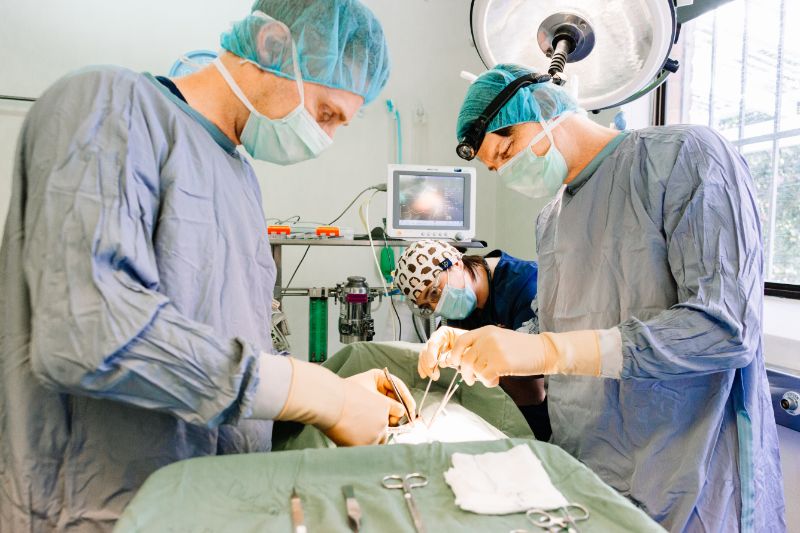
Our vets at Macquarie Veterinary Hospital routinely perform superficial digital flexor tendonectomy (SDFT) surgery on greyhounds with corns. This is a day procedure performed under general anaesthetic. We make a small incision on the back of the lower leg (front or back leg) and isolate the tendon that controls the flexion of the toe that has the corn on it. We then remove a 1cm fragment of the tendon, which acts to release tension in the toe and therefore reduces pressure on the pad with corn. If the corn is protruding well beyond the pad then we will often flatter or hull the corn in the meantime too.

We place a small bandage on the foot and send our patients home with an Elizabethan collar, pain relief and tranexamic acid. The recovery is generally very quick and often our patients are immediately much more comfortable in using the leg compared to prior to surgery.

SDFT’s are considered the “gold standard” for managing corns in greyhounds due to the high success rate and relatively quick recovery.

Our vets at Macquarie Veterinary Hospital have years of experience removing corns from the pads of greyhounds. Where possible, we perform a superficial digital flexor tendonectomy (SDFT) surgery, as the recovery is much quicker and the outcome much more permanent. However, at times we will still elect to surgically remove a corn in discussion with owner and on an individual basis.

This is a day procedure performed under general anaesthetic. We make a small incision around the corn on the effected pad and follow the corn right to the base of the bone in the pad to try and ensure we have removed the entire corn rather than simply hulling it out. Sutures are then placed into the pad and a bandage is placed on the foot.

We send our patients home with an Elizabethan collar, pain relief and tranexamic acid. The recovery generally takes a few weeks and requires multiple bandage changes. There is risk that the corn may return in the future.

SDFT’s are considered the “gold standard” for managing corns in greyhounds due to the high success rate and relatively quick recovery.

As with any procedure, there are potential risks with the anaesthetic as well as with the surgery, although these complications are rare.

From a surgical perspective, there is a small chance of developing an infection at the surgical site, which can usually be treated easily with antibiotics. Additionally, a small percentage of greyhounds will have re-occurring symptoms where the cut tendon re-joins in the months following surgery and therefore we need to repeat the surgery – this is, however, extremely rare.

From an anaesthetic perspective, greyhounds can have experience changes to their electrolyte levels during surgery and can experience tremors in the post operative period. We take precautions to avoid this and monitor them closely before and after surgery by running blood tests to monitor their electrolyte levels and often by using mild calming medication whilst they’re in hospital.

We take anaesthetic monitoring extremely seriously and are proud to offer the highest level of monitoring care for you pet.

We go above and beyond the accepted standards to include:

  1. monitoring of oxygen levels via an spO2 probe (called pulse oximetry)
  2. a continuous ECG trace to track the heart’s rhythm throughout surgery;
  3. blood pressure monitoring – this is the key to a successful recovery;
  4. carbon dioxide monitoring to ensure the lungs are able to blow off all harmful gases;
  5. patients are warmed with a ‘bare hugger‘ to prevent deleterious cooling;
  6. all patients receive intravenous fluids to ensure hydration remains perfect;
  7. we use the most modern anaesthetic machines and drug protocols.

Post Surgery Care

Following surgery your grey will receive strong pain relief and anti-inflammatory medication. They will go home with additional pain relief, a small bandage on their foot and an Elizabethan collar. Recovery is usually straight forward and you will often see an immediate improvement in their gait!

Our patients generally recover exceptionally quickly from surgery, so it can be tempting to get back to normal activity straight away. However, remember that whilst the surgery seems routine, it is still considered major surgery.

Please strictly rest your fur child in a warm, calm environment for the first 7 days post surgery. This may mean you need to separate them from other pets in the meantime to facilitate the chance to recuperate in peace.

Patient comfort is our priority! All dogs undergoing tendonectomy surgery receive pain relief to go home with as well as an Elizabethan collar to reduce the risk of them licking he surgery site.

Most dogs recover extremely quickly from surgery and are comfortable within 24 hours after surgery. However, if you feel that your fur child still seems uncomfortable then we always encourage you to contact us for any further advice on providing additional comfort.

We provide two complimentary visits with one of our vets following bracycephalic airway surgery. The first appointment occurs 2-4 days after surgery and then again a week later.

During the appointment we will further ask you how you think your pet is recovering and then perform a basic health and surgery site check to ensure we are happy with how your fur child is recovering.

Gap Only Payments Available!

We work directly with most insurance companies so that you only have to pay the gap for any hospital treatment or surgery. Sorted!

Gap only treatment available at Macquarie Veterinary Hospital in North Ryde